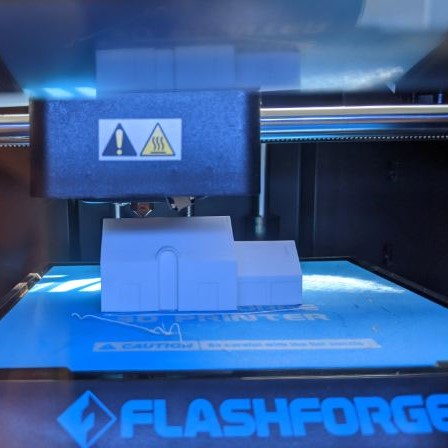
3D modelling and printers can bring almost any educational concept to life, while building practical skills such as problem-solving, creative coding and design. Once a novelty in many classrooms, 3D printers are flourishing as valuable classroom tools thanks to advanced technology and more products and programs geared toward K–12 education.
How does 3D printing work?
3D printing works by starting with a digital model in a 3D CAD (Computer Aided Design) file and then creating a physical 3D object. An object is designed or scanned which is processed by different available programs known as a “slicer.” The slicer converts the model into a series of thin, 2-dimensional layers and produces a file with instructions (G-code) tailored to the specific type of 3D printer. The 3D printer applies the required combination of raw material (plastic, metal, rubber, etc) and then builds the object by adding one layer at a time, until it is finished.
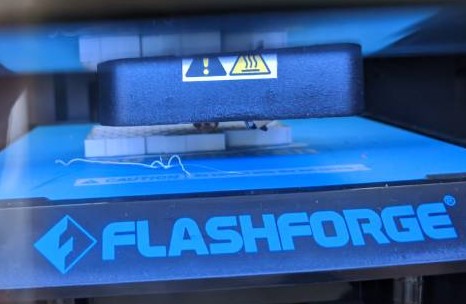
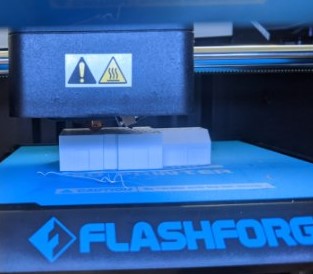
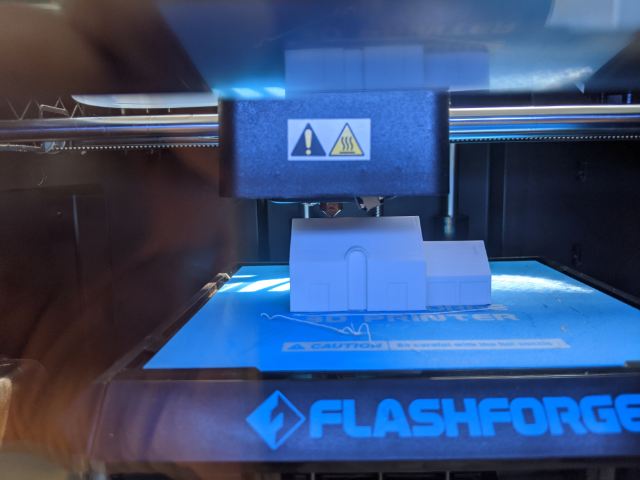
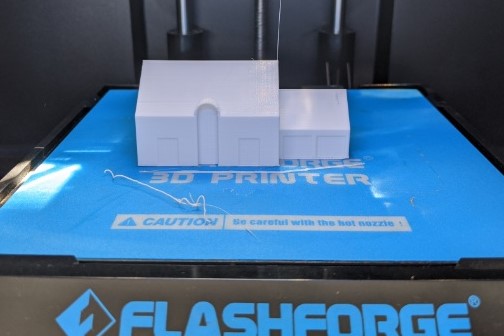
Benefits of 3D printing in Education
3D printing in education, is bringing objects out of the computer screen and into the real world, into the hands of students for inspection and analysis.
- Access to learning materials – Teachers and students are able make their own learning models/materials
- Creates Excitement – students can experience their projects from the model stage to actual creation of the model. Excitement also stems from the ability to explore details in reality, it brings theory to the physical world where students can see and touch, opening new possibilities for learning and activities.
- Promotes problem-solving skills – They need to learn how different 3D printers and programs work and how to use them, and how to solve problems.
- Opens New Possibilities for Learning – Provides students with opportunities to experiment with ideas, expand and grow their creativity.
Some people may think that 3D printing is simply a way for students to experiment and be creative, however, this technology can be much more practical for example learning materials produced for Maths and Science could inspire the next generation of engineers, architects, designers or many more empirical occupations. Therefore, students who were previously disillusioned with education can not only be reinvigorated by the prospect of learning but also unlock their hidden potential.
Challenges associated with 3D printing in education
Irrespective of the advantages that 3D printing in education, there are still a few obstacles that exist.
- Knowledge – Techers are not familiar enough with the technology to use it successfully and confidently in the classroom.
- Limited support – Practical and financial support
- Cost – The cost of a 3D printer including material to run the printer is high
- Time – Simple, small designs can take 1.5 hours to complete


Hi Christina,
It’s great that you explain how 3D printing works as many people (including myself) are not familiar with this technology and how it can be incorporated successfully within a classroom. 3D printing sounds like a great tool to have in the classroom to help students design-based thinking skills and to allow students to successfully complete the IDEO phases of the design process. While I agree that 3D printing is great for example learning, I do believe that it is an exceptional tool for developing students creative thinking as it can allow them to create solutions to problems within the world and see their solutions in a physical form.
LikeLike