DIGITAL CREATIVITY & LEARNING
Welcome, my name is Christina, I am currently an Education, Science student at Macquarie University. This blog has been created to explore and critique emerging educational technologies every week.
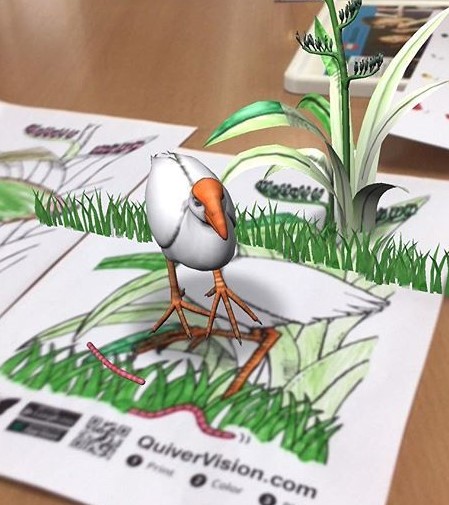
Week 2: QuiverVision AR Technology
QuiverVision is an augmented reality (AR) technology with a three-dimensional (3D) focus. The application supports both learning and fun in an interesting, creative way. Children of all ages have always loved colouring pictures where they can apply their own artistic vision, the QuiverVision application now brings the unique colouring creations to life
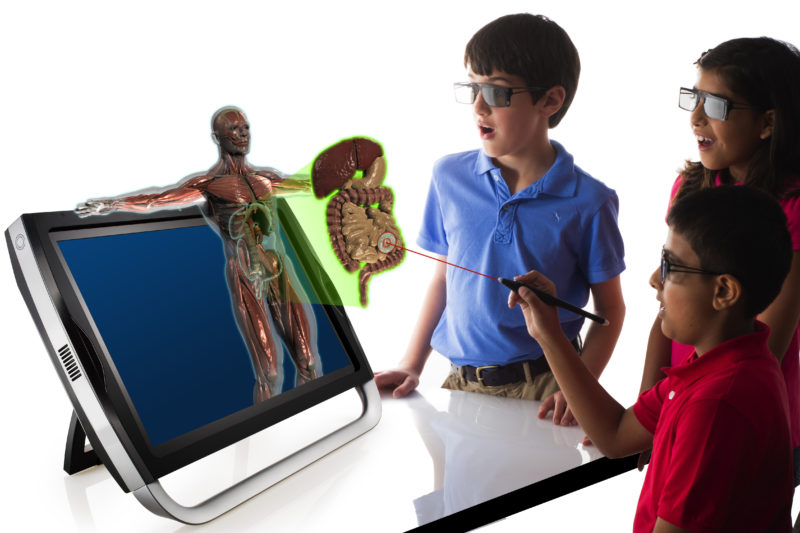
Week 5: Augmented Reality (AR)
Augmented Reality (AR), is the bridging of virtual and real worlds, creating a reality that is enhanced and augmented. The coexistence of virtual objects and real-life environments allows students to visualise complex spatial relationships and abstract concepts and experience things that is not possible in the real world

Week 8: Makerspaces
Makerspaces are a place where people come together to use and learn to use materials and develop creative projects, it has the potential to revolutionise the way we approach teaching and learning.

Week 3: 3D Printing
3D modelling and printers can bring almost any educational concept to life, while building practical skills such as problem-solving, creative coding and design. Once a novelty in many classrooms, 3D printers are flourishing as valuable classroom tools
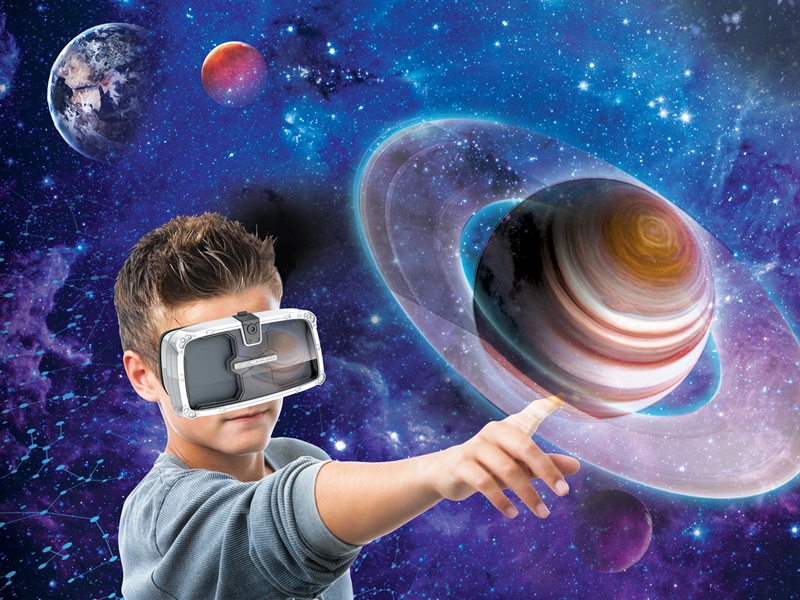
Week 6: Virtual Reality (VR)
Virtual Reality (VR) presents information in a 3D form with the participate viewing the world from inside the world with the ability to interact with the information or world. VR can be used at every level of education and has the potential to make a difference. Students can use pre developed applications or can be creative in developing their own virtual worlds.
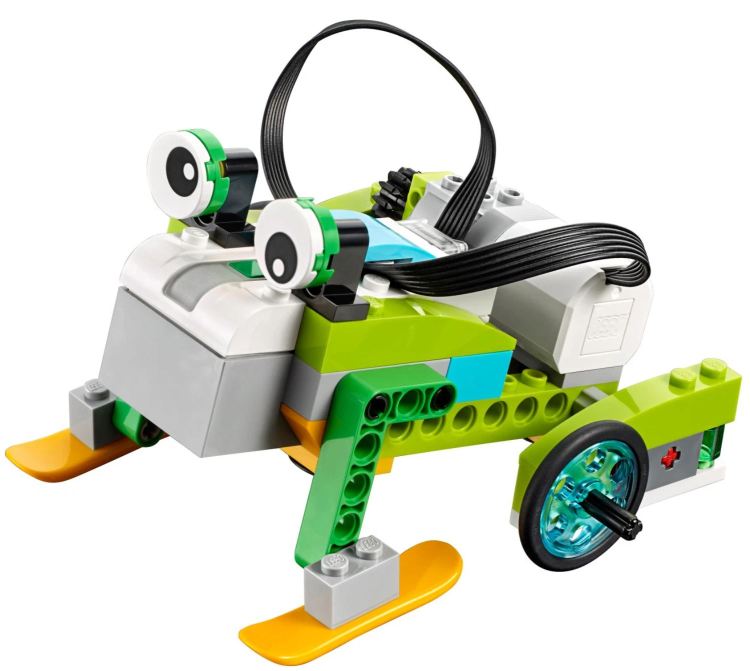
Week 4: WeDo 2.0 Educational Robotics
Robotics is a unique learning tool that can offer hands-on, fun activities in an attractive learning environment feeding students interest and curiosity. LEGO education STEM resource, WeDo 2.0, is a robotic system designed to serve as an intermediate step between the full featured robotics platform and regular LEGO.
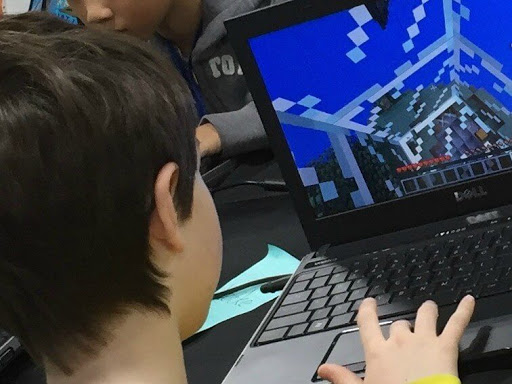
Week 7: Game Based Learning
Game based learning broadly refers to elements derived from video games design, developed in a variety of contexts to support teaching and learning. Games engage students in topics and ideas through interactions and simulation that provides an engaging learning experiences for students of all ages.

